

Dental implants succeed at a high rate, usually cited around 97% over ten years. That still leaves a small percentage where things don't go to plan, and if you're facing the cost of implant surgery, that number is worth understanding properly rather than glossing over.
Osseointegration Is the Real Turning Point
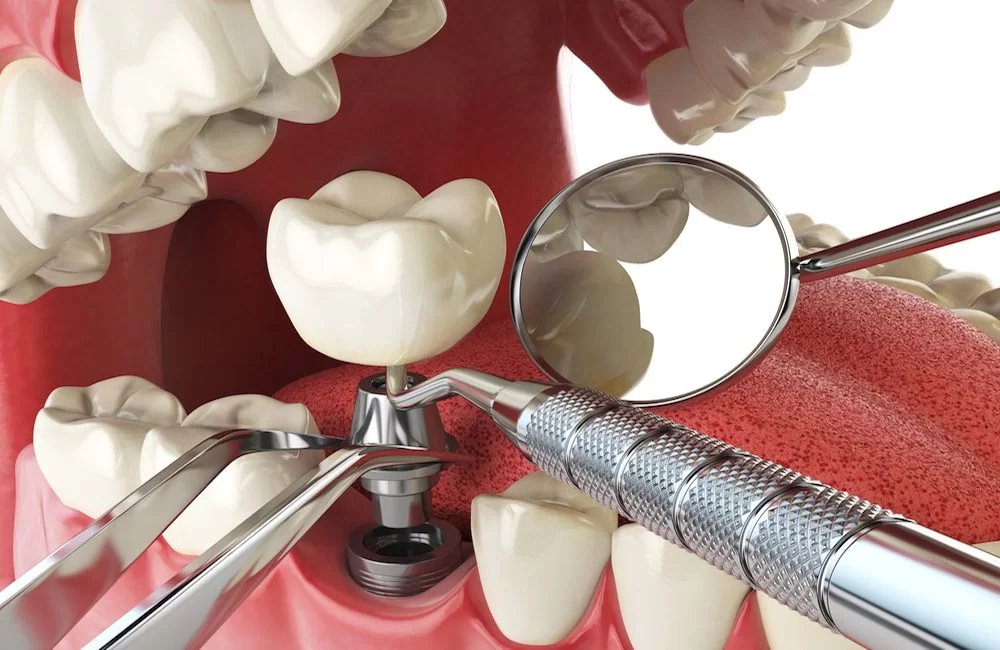
An implant only works once the titanium post fuses with the jawbone, a process called osseointegration. When that fusion doesn't happen cleanly, the implant stays loose and can fail before it's even carrying a crown. Early failure, generally within the first few months, often traces back to low bone density, overheating the bone during drilling, or a surgical site that wasn't prepared quite right. Patients researching Dental Implants in Sydney often ask why this stage matters so much, and it's because everything downstream depends on it holding.
Smoking Changes the Odds More Than People Expect
Nicotine and carbon monoxide reduce blood flow and oxygen delivery to healing tissue, which slows the exact process an implant depends on. Smokers show noticeably higher failure rates than non-smokers, particularly in that critical early healing window. Quitting even temporarily around surgery, ideally well before and after, gives the bone a genuinely better shot at bonding properly.
Gum Disease Doesn't Stop at Natural Teeth
Peri-implantitis, an infection around the implant caused by bacterial buildup, is the leading cause of late failure, the kind that shows up years after everything seemed fine. It behaves a lot like gum disease around a natural tooth, and poor oral hygiene is usually the root cause. Regular cleaning, proper brushing technique around the implant site, and staying on top of dental checkups make a real difference here.
Grinding, Medical Conditions, and Medication Matter Too
Untreated bruxism puts constant mechanical stress on an implant, disrupting the bone integration that's meant to hold it steady. Osteoporosis carries a somewhat elevated failure risk as well, and certain medications, including some antidepressants and long-term corticosteroid use, can interfere with bone metabolism in ways that affect healing. None of this rule a patient out of treatment. It just means the planning stage needs to account for it honestly.
Reducing the Risk Starts Before Surgery
A thorough pre-treatment assessment, covering medical history, bone quality, and lifestyle factors, catches most red flags before they become a problem. Choosing a practice offering Sydney dental implants with proper diagnostic imaging and individualised planning tends to correlate with better long-term outcomes. Good aftercare finishes the job the surgery started. Implants rarely fail without warning signs; catching them early is what keeps a small issue from becoming a lost implant.

 14-01-2026
 26-07-2026
 30-08-2026
14-01-2026
26-07-2026
30-08-2026
30-08-2026
14-01-2026
26-07-2026
30-08-2026